WORK | CONNECT2D TELEDENTISTRY
TELEHEALTH PROJECT ASSISTANT + 2022
LOCATION
Vaughan, ON, Canada
Connect2D
TeleDentistry
ROLE
TeleHealth Project Assistant
OUTCOME
Grew Instagram presence and supported UX team on patient consultation flows
OVERVIEW
SOCIAL MEDIA
CONTENT CREATION
UX SUPPORT
USER FLOW
TELEHEALTH
Improving dentistry with transformative and innovative technology
Connect2D TeleDentistry is a Canadian startup building a mobile platform that connects patients with dentists through virtual consultations, reducing barriers to dental care. Over 9 months as a Telehealth Project Assistant, I worked cross-functionally: supporting UX designers with patient-facing user flow research, and independently owning social media content creation to build the brand's Instagram presence from the ground up.
THE CHALLENGE
As an early-stage startup, Connect2D had virtually no social media presence and needed consistent, on-brand content to build awareness before launch. Simultaneously, the UX team needed research support to validate patient-side user flows — understanding how real patients would navigate booking a virtual dental consultation for the first time.
MY ROLE
My Contribution
01
03
UX Support
Collaborated with UX designers to map patient-facing user flows for the consultation booking experience. Contributed to user journey documentation and helped identify friction points in the onboarding and appointment-scheduling screens.
02
Brand & Content Strategy
Studied Connect2D's brand guidelines — teal/mint palette, clean flat illustration style — and established a consistent visual language for Instagram posts. Defined content pillars: education, accessibility messaging, and product awareness.
Content Creation
Designed and produced Instagram posts covering app features, teledentistry education, and brand storytelling. Maintained a consistent posting cadence and adapted content based on early engagement feedback.
UX SUPPORT
Supporting Patient-Side User Flows
Worked directly with UX designers to research and document how patients would navigate key moments in the app — from first open to confirmed appointment. The focus was identifying friction points that could cause drop-off before a patient ever spoke to a dentist.
USER JOURNEY
Mapping the patient experience
Documented end-to-end patient flows — from landing on the app to completing a virtual consultation. Helped identify unclear steps and ambiguous CTAs in the onboarding sequence.
FLOW VALIDATION
Friction point identification
Contributed to identifying high-drop-off moments in the booking funnel, particularly around the first-time consultation booking and dentist selection screens.
COLLABORATION
Cross-functional input
Worked alongside UX designers to provide patient-perspective insights, helping the team prioritize which flow revisions would have the most direct impact on accessibility.
SOCIAL MEDIA
Managing the Brand’s Instagram Presence
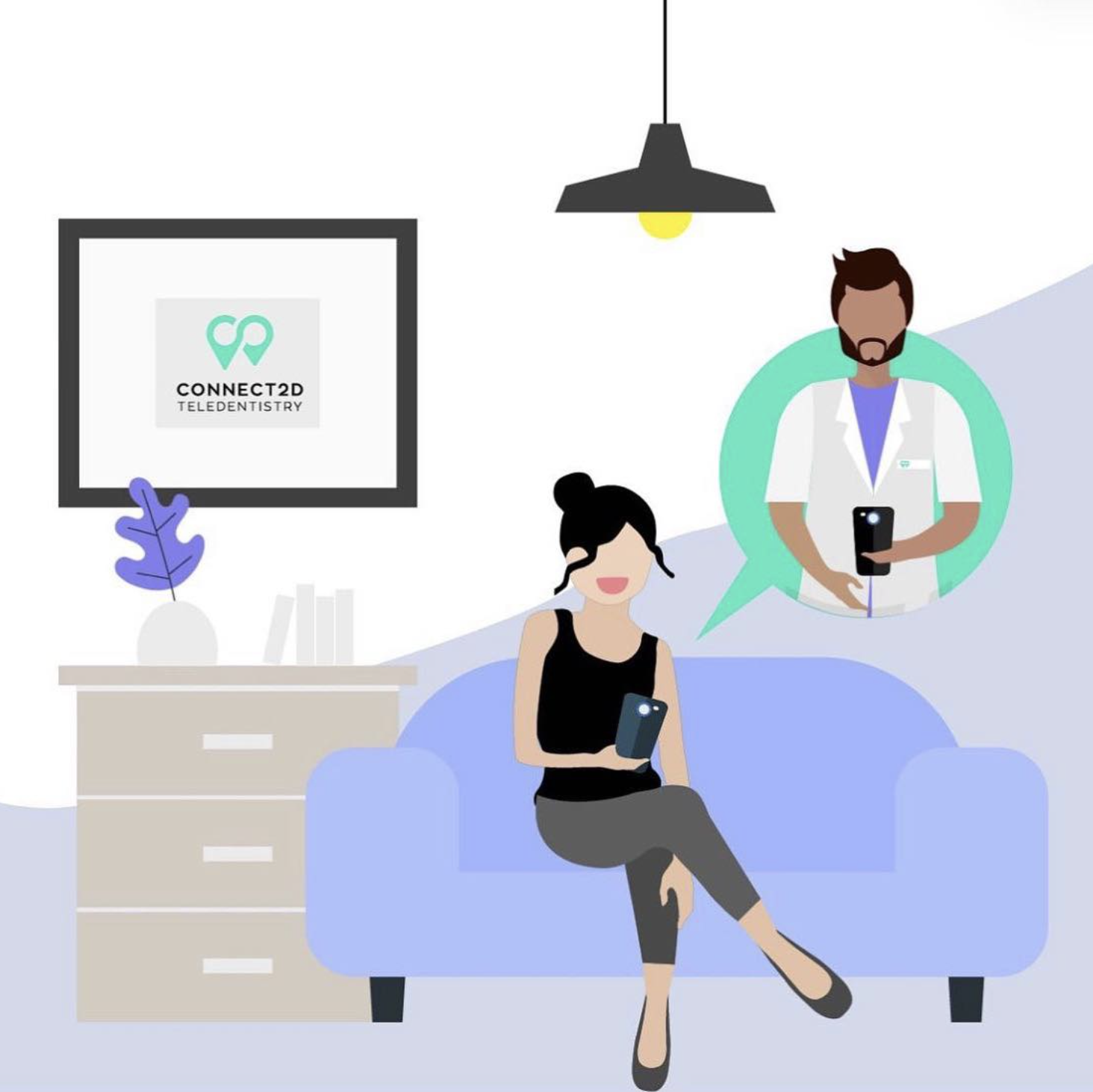
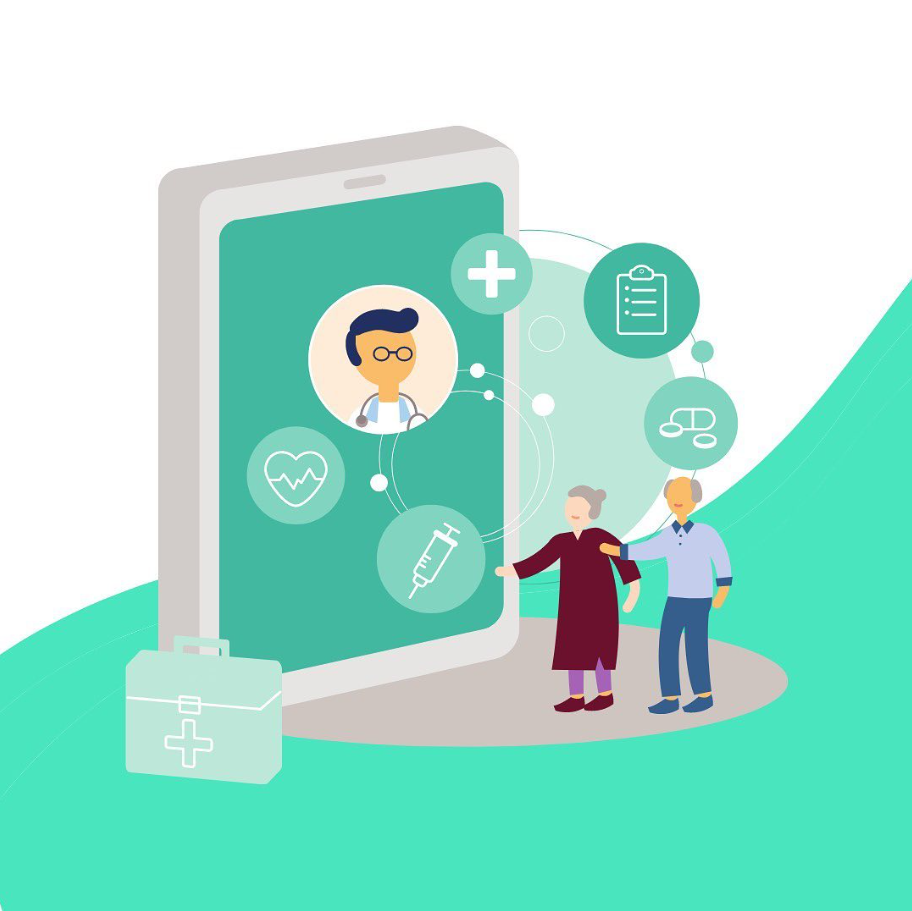
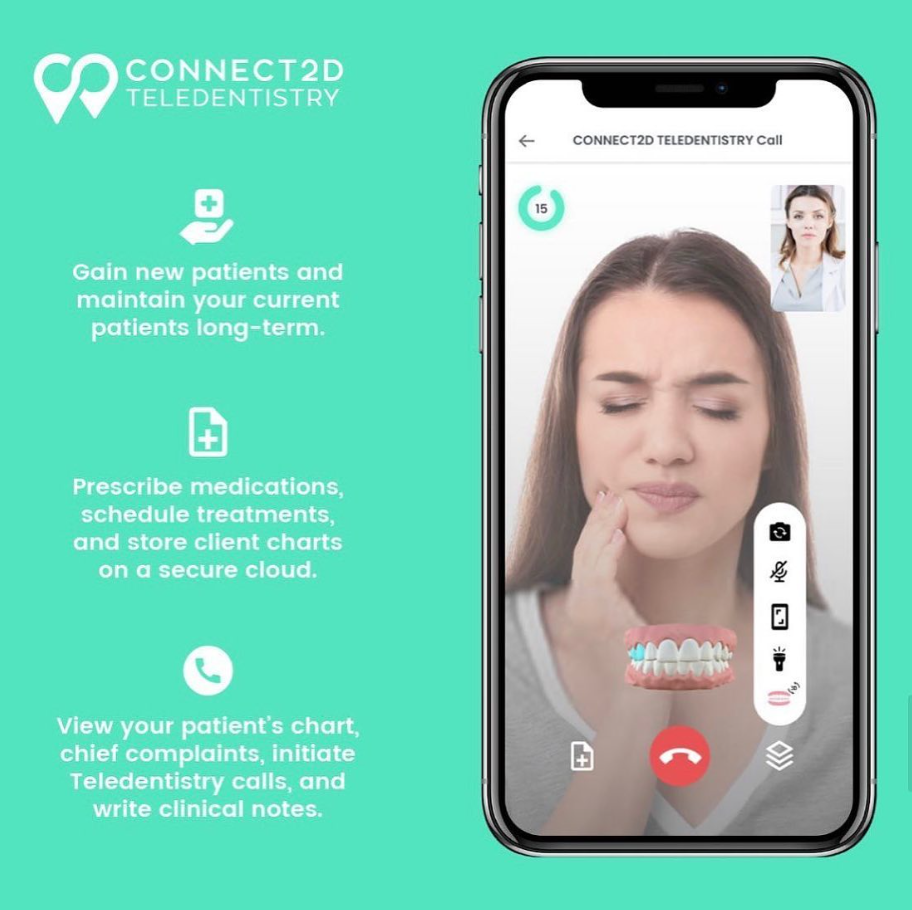
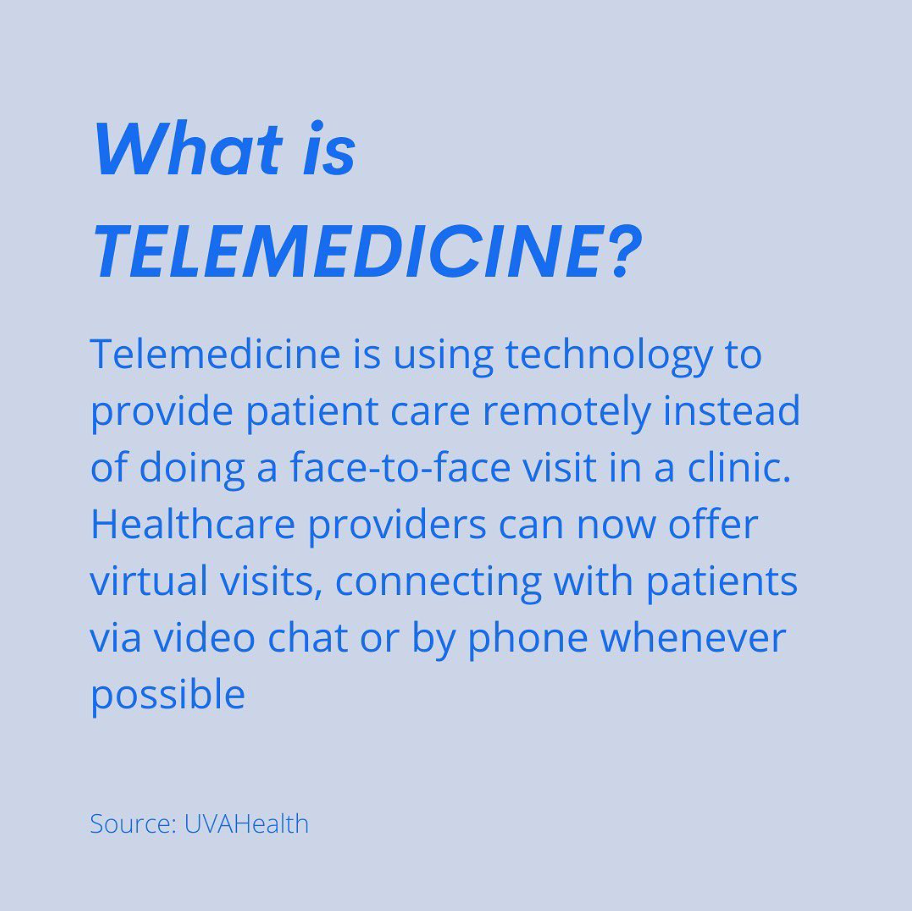
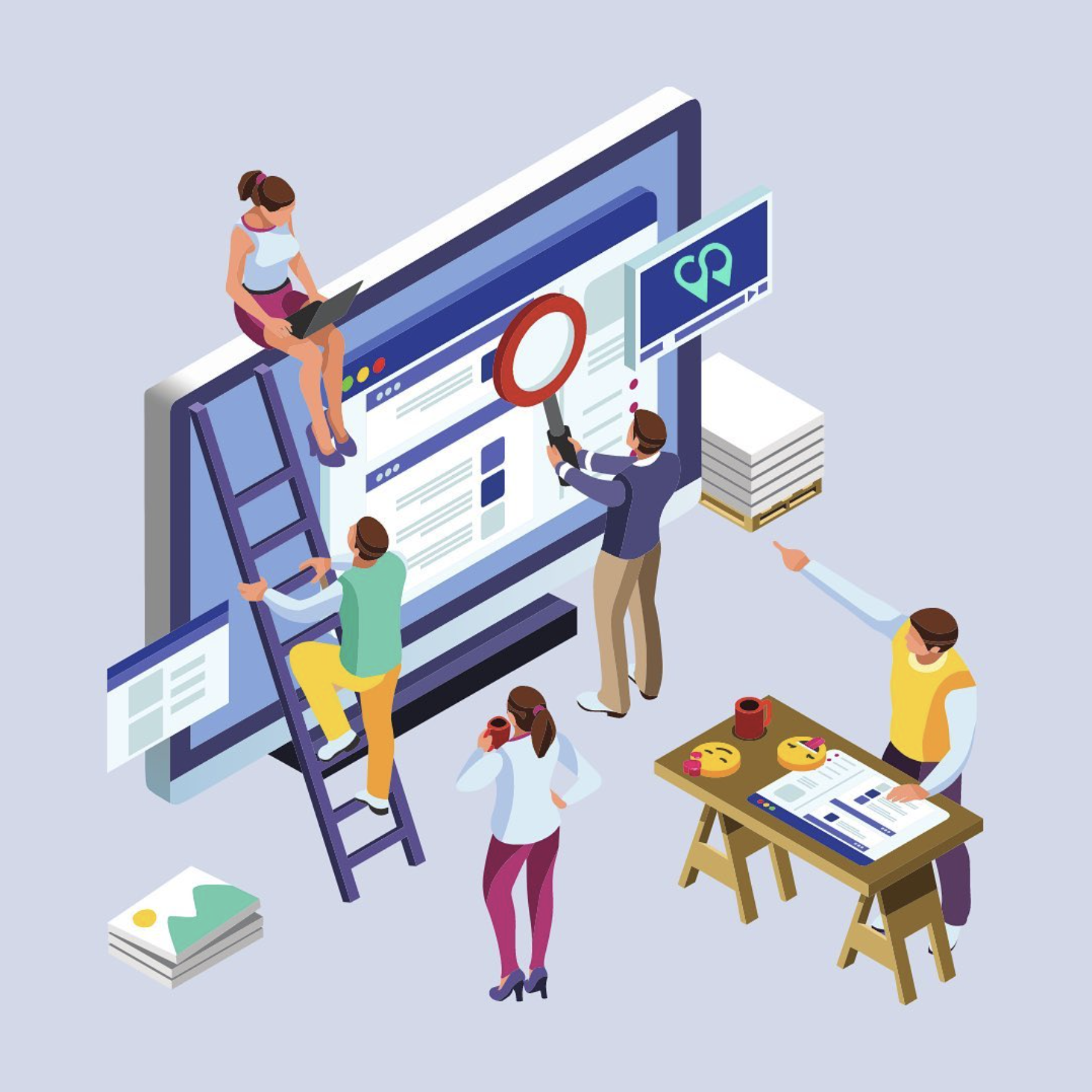
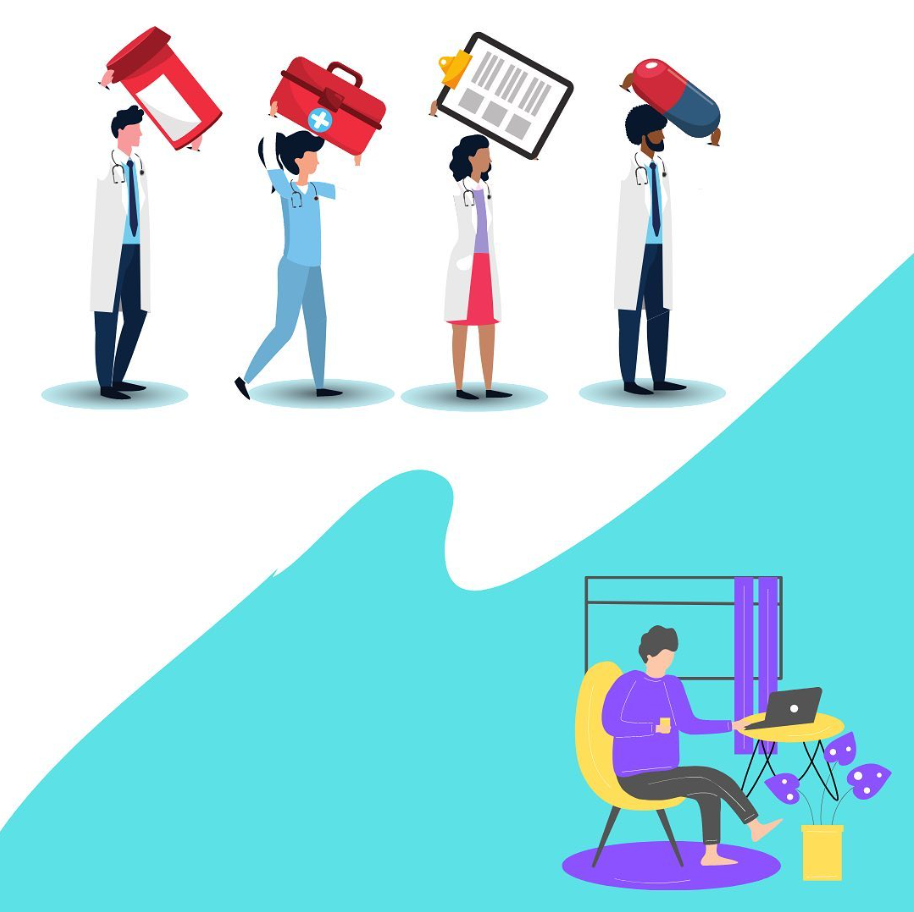
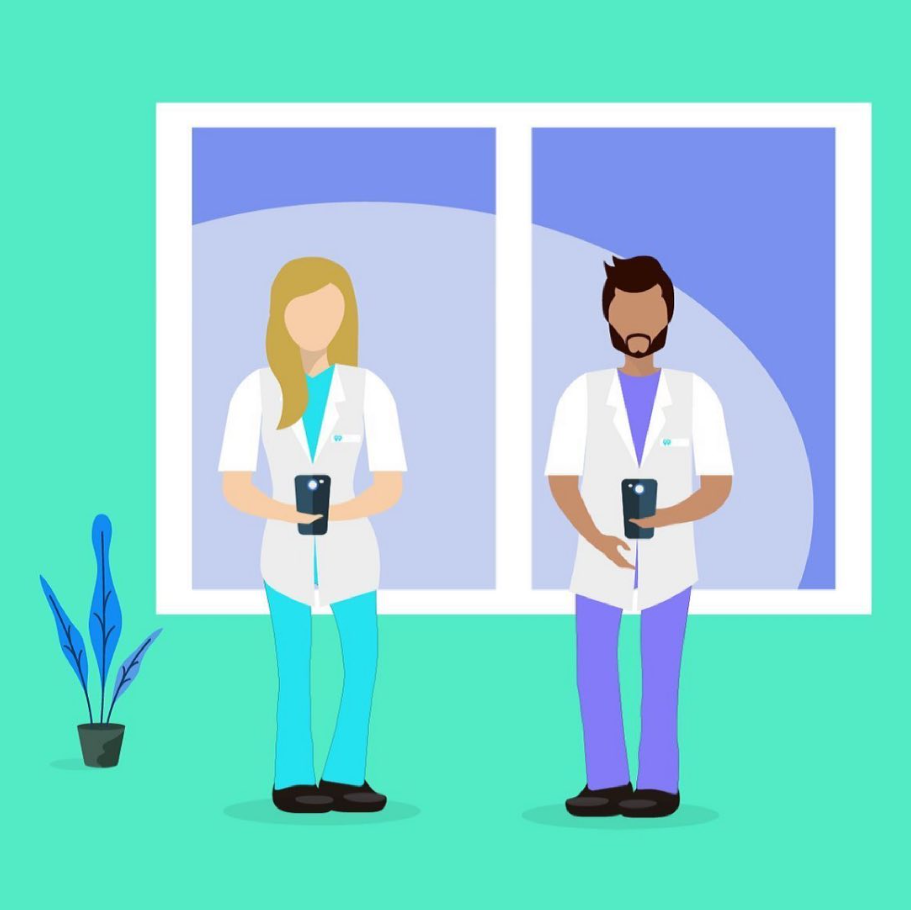
I managed Connect2D's Instagram — staying consistent with a visual language rooted in the brand's teal palette and clean, accessible tone of voice. Posts spanned education, product awareness, and accessibility messaging.
EDUCATION
Explaining teledentistry, how it works, and why it matters
ACCESSIBILITY
Messaging around removing barriers: cost, geography, wait times
PRODUCT AWARENESS
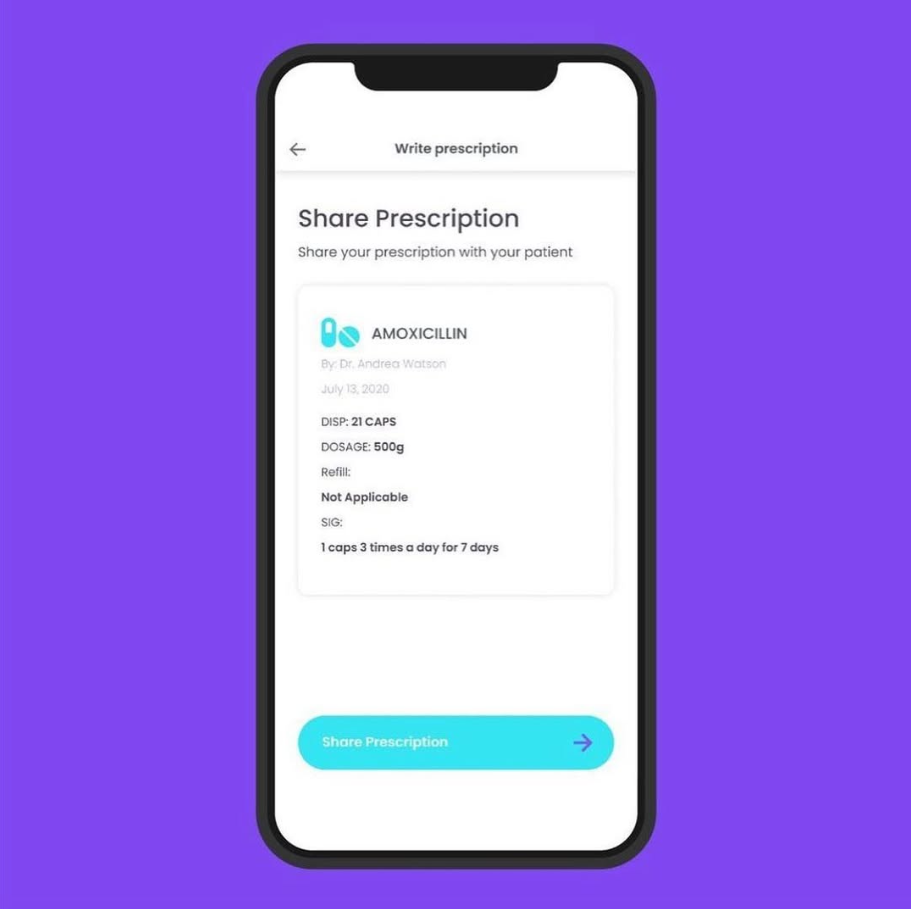
Showcasing app features and the consultation experience
COLOUR PALETTE
#C3CCDF
#24D7E5
POST SAMPLES

#48E0BA
#8140F2
#0167E9
TAKEAWAY
What I learned
——
Startup pace & ownership
At Connect2D, there were no handbooks — you figured things out and moved. Owning social media from zero taught me how to make decisions independently with incomplete information.
——
Designing for healthcare contexts
Teledentistry sits at the intersection of health anxiety and tech skepticism. Every piece of content had to earn trust quickly — vague or salesy language was a non-starter.
-—
Cross-functional collaboration
Working alongside UX designers gave me a deeper appreciation for user-centered thinking. It sharpened how I frame content — always asking 'what does the patient need to feel or know here?'